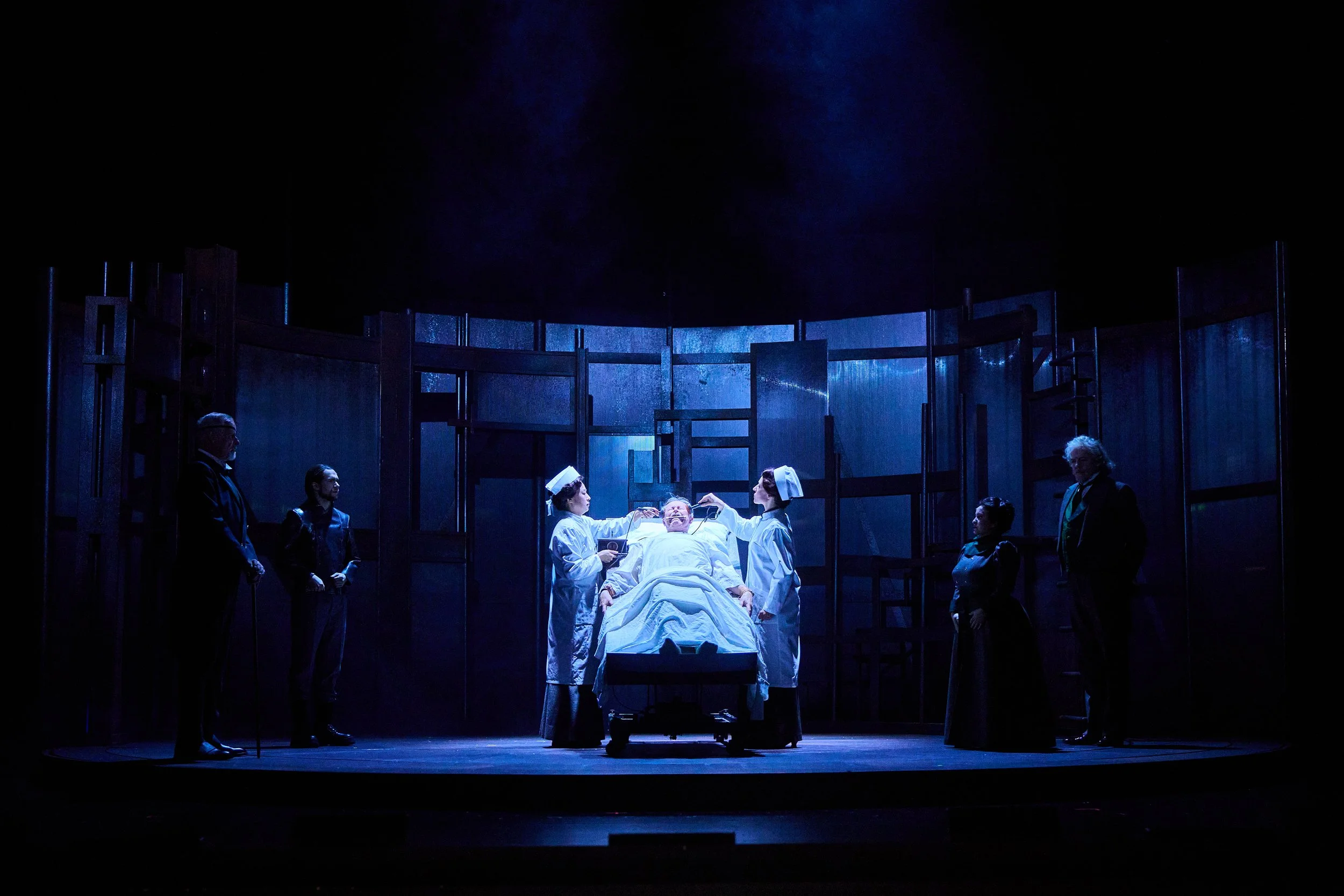


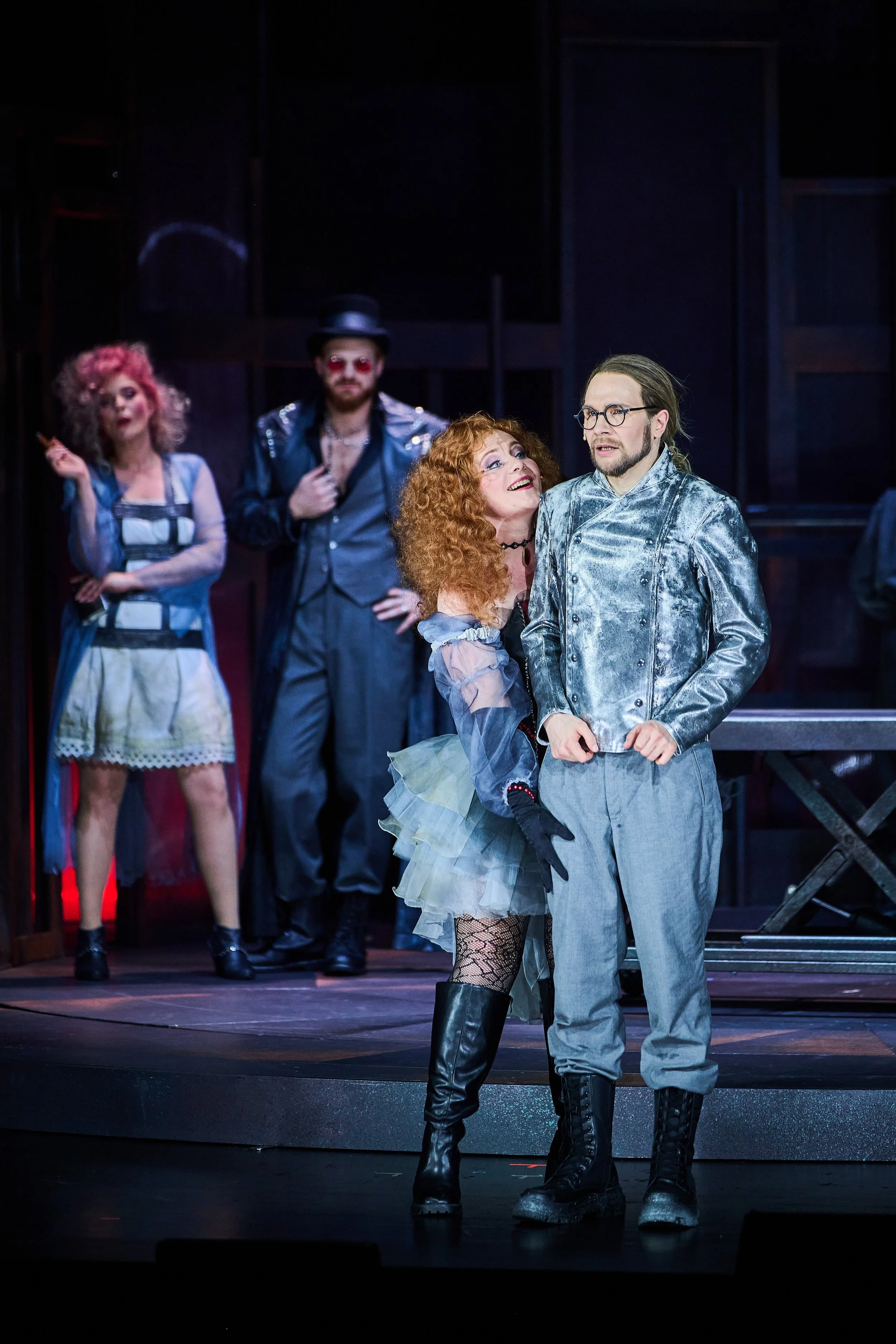
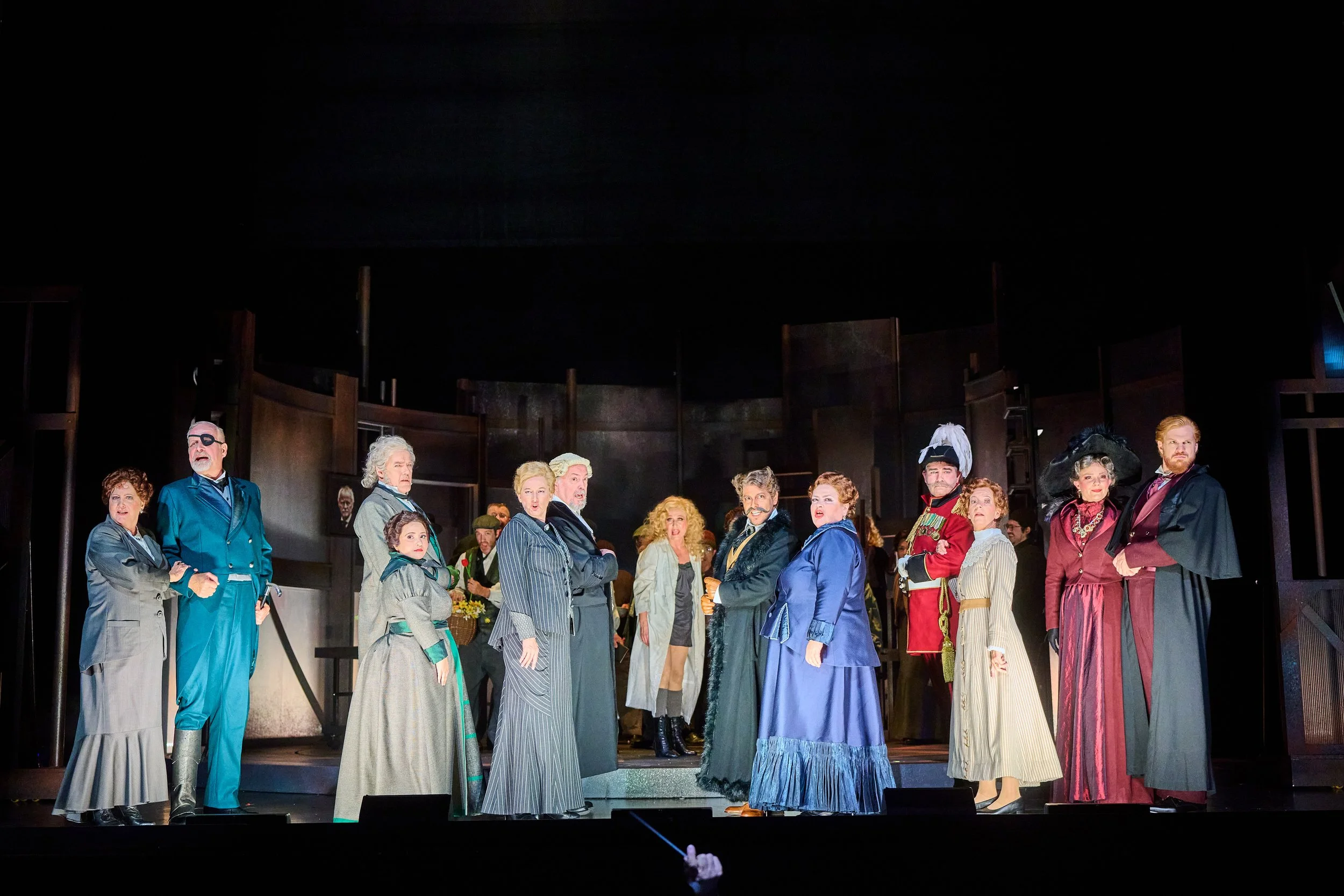

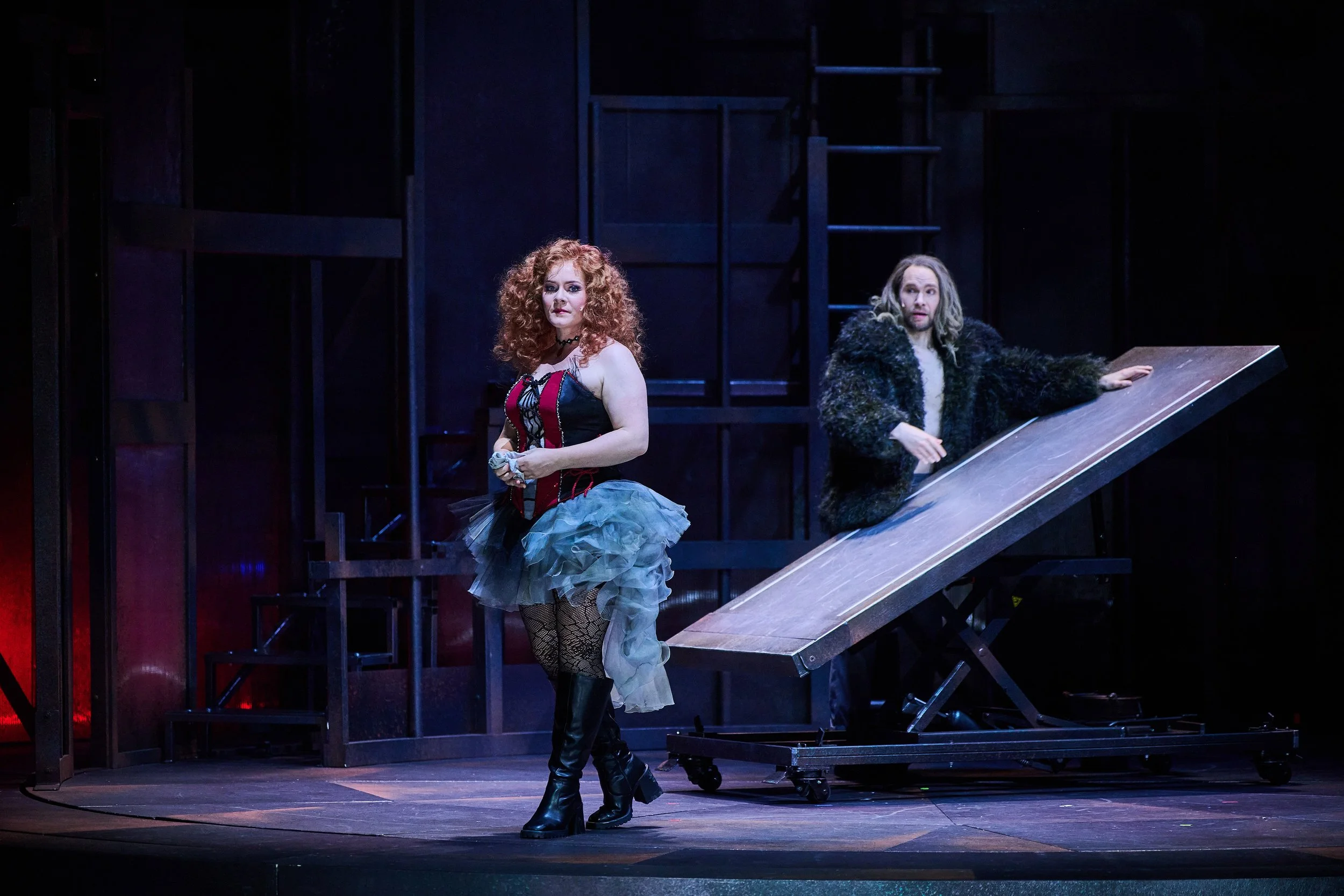
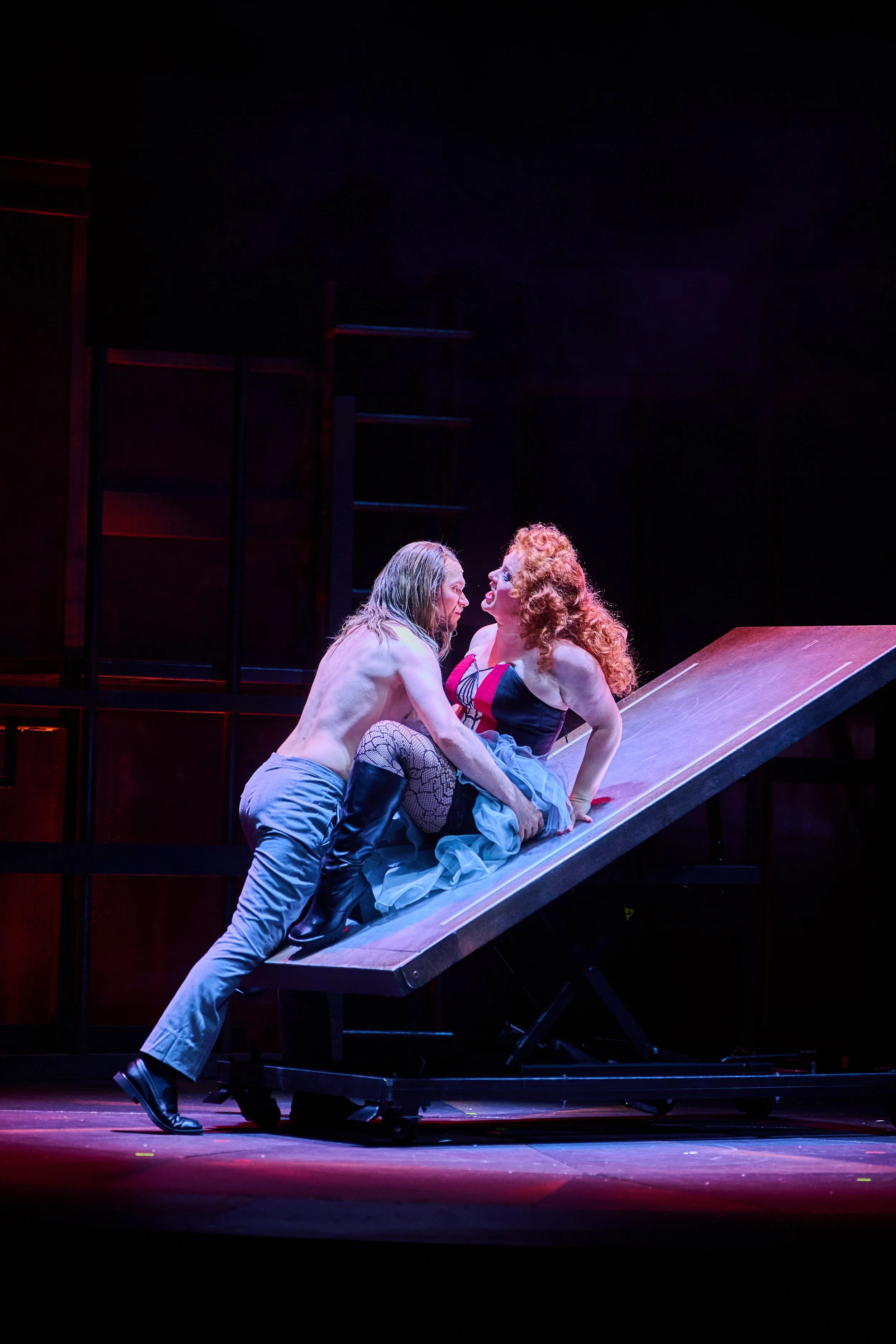

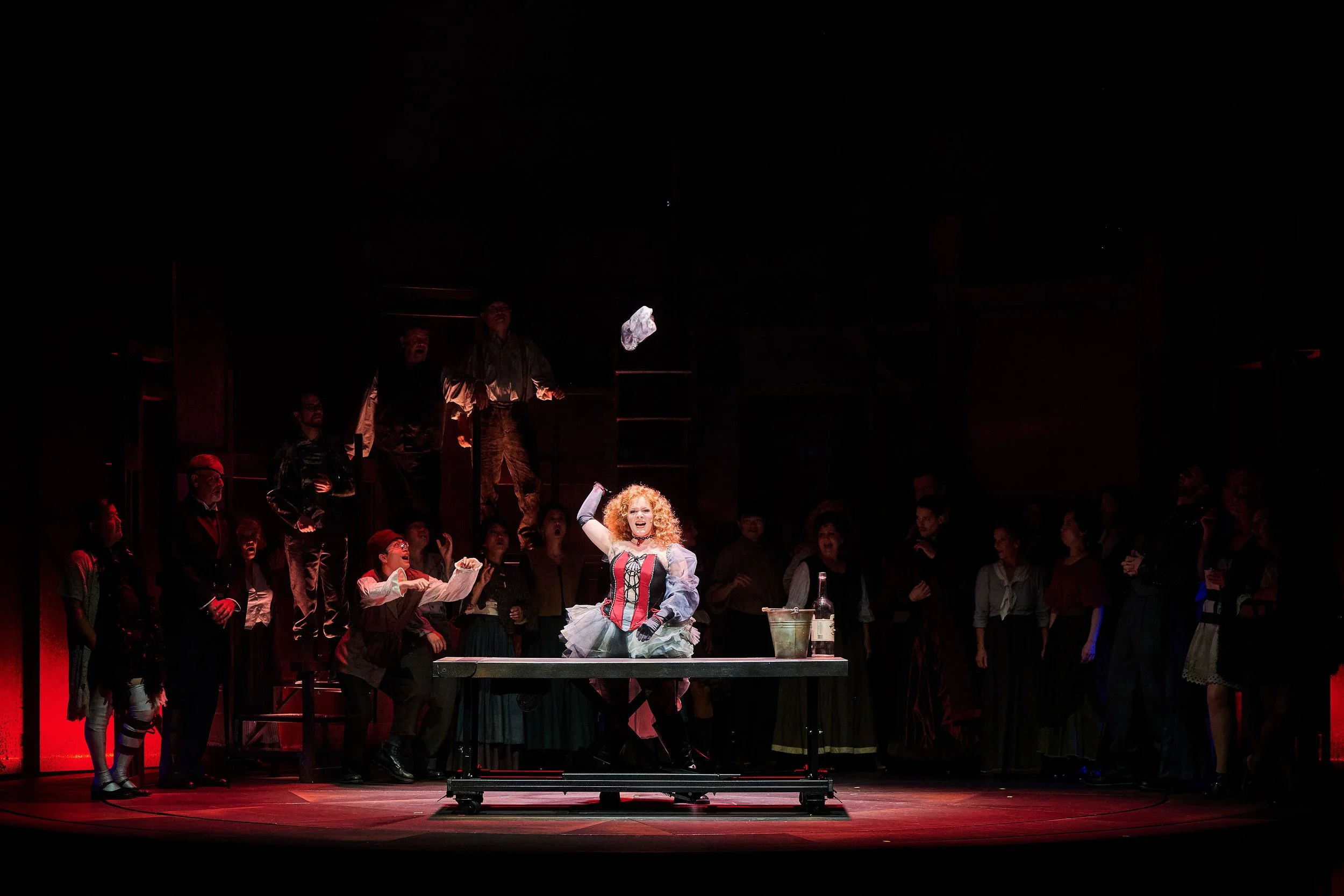
Jekyll and Hyde is a story about how EVERYONE has a demon lurking within. Jekyll is not a hero who drinks a potion that turns him into a villain…He is not one of two distinct people. He is and always was Hyde, who drinks a potion so he can allow himself to act on his actual urges, while hiding behind the facade that is Jekyll’s body. Jekyll and Hyde confronts us with the question: How do any of us externally disinhibit ourselves in order to do what we actually want to do? What would we all do when we are drunk enough, online anonymously enough, in enough of a disguise?
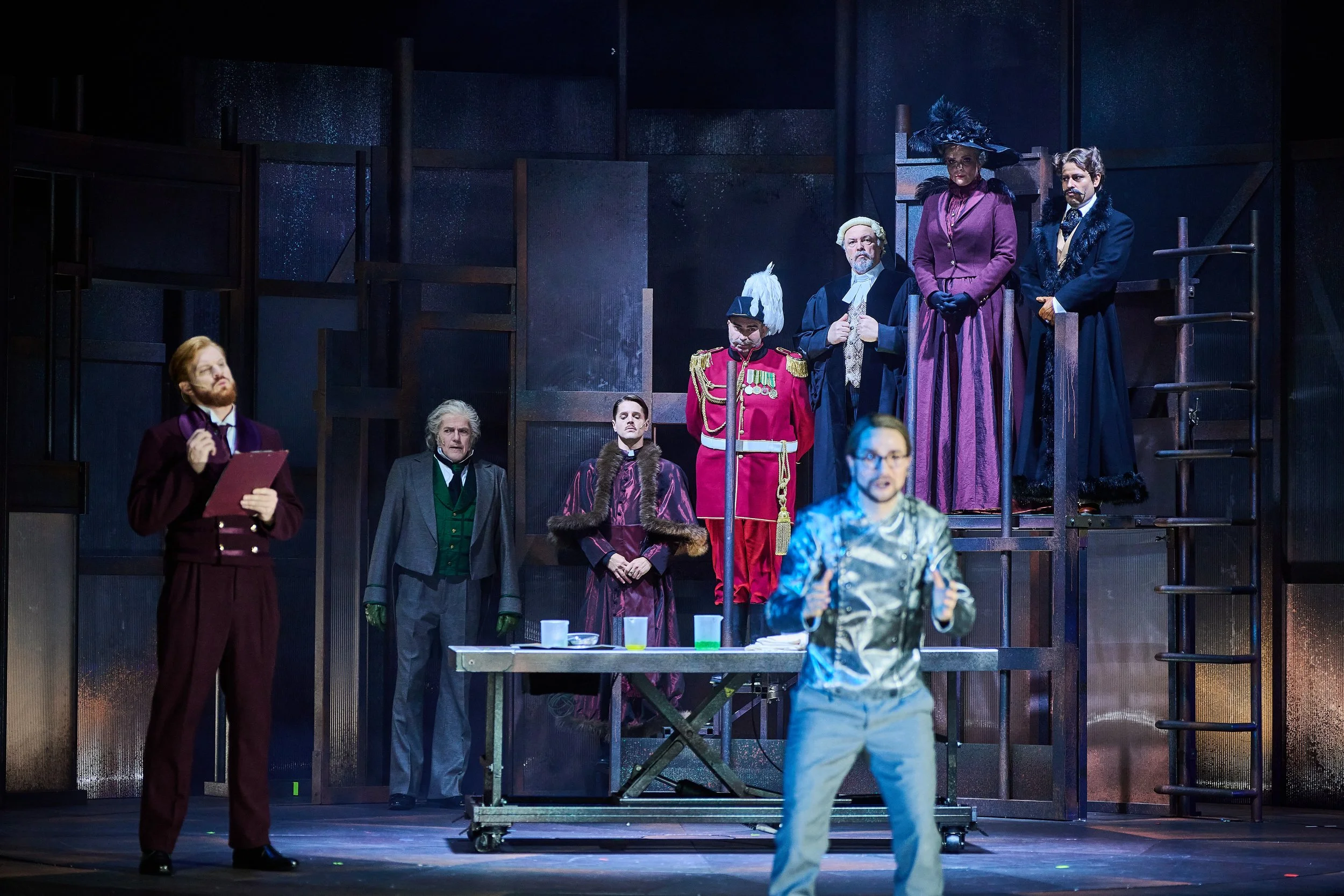
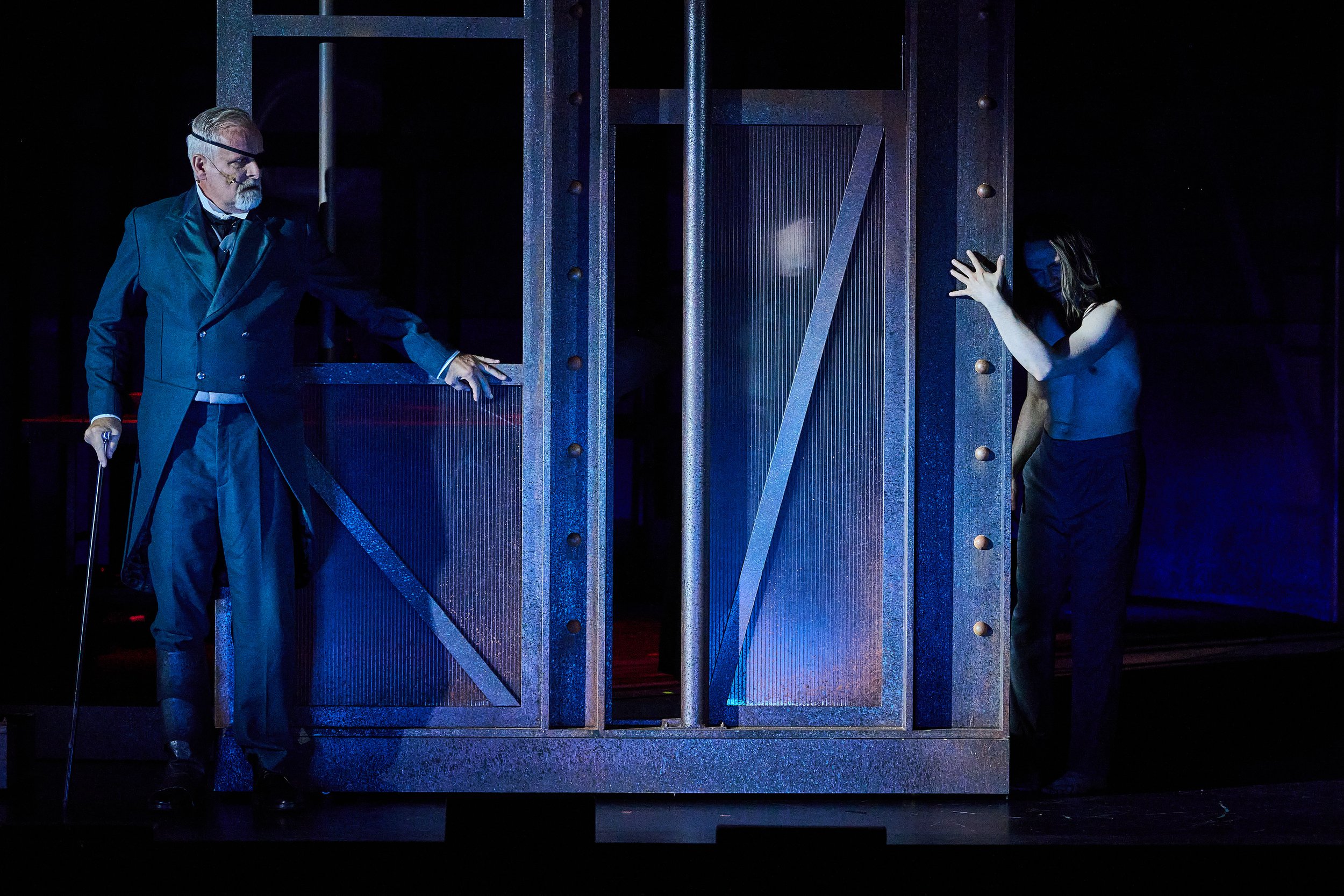
Henry Jekyll is the hero of Wildhorn’s musical. But why should we root for him? Why should we vote for a man who blames society for not letting him carry out this experiment which is unethical and dangerous, when society is ultimately proven right? Why should we believe Jekyll in calling his peers hypocrites for saying his experiment will cause violence, when we know by the start of Act 2, that that is exactly what it does? By the end of the show, Jekyll has killed all the “hypocrites” including, ultimately, himself. His experiment leads to multiple murders and a suicide. Jekyll is a man whose singlemindedness eclipses his morality, but we must accept him as protagonist… because we are like him.
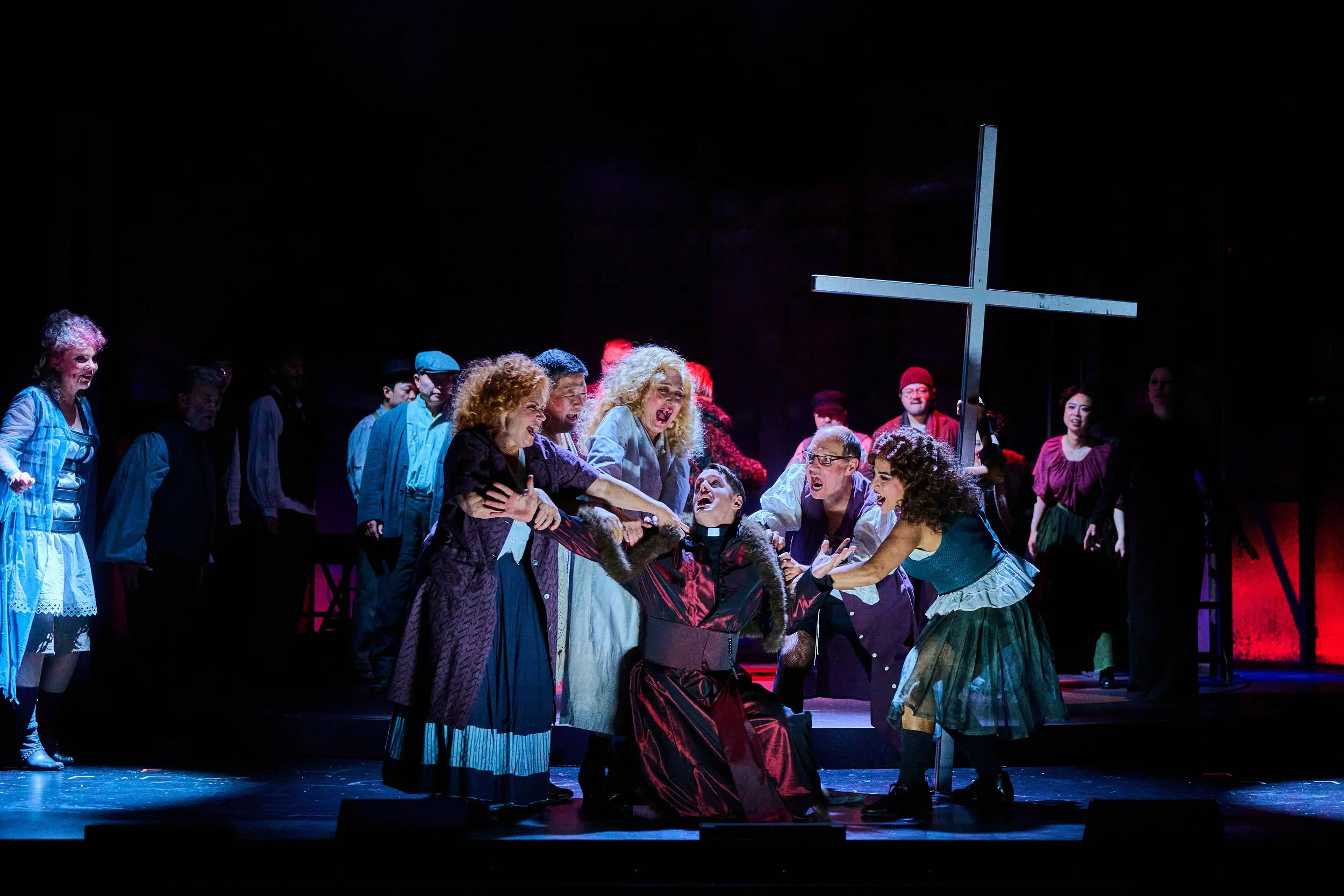
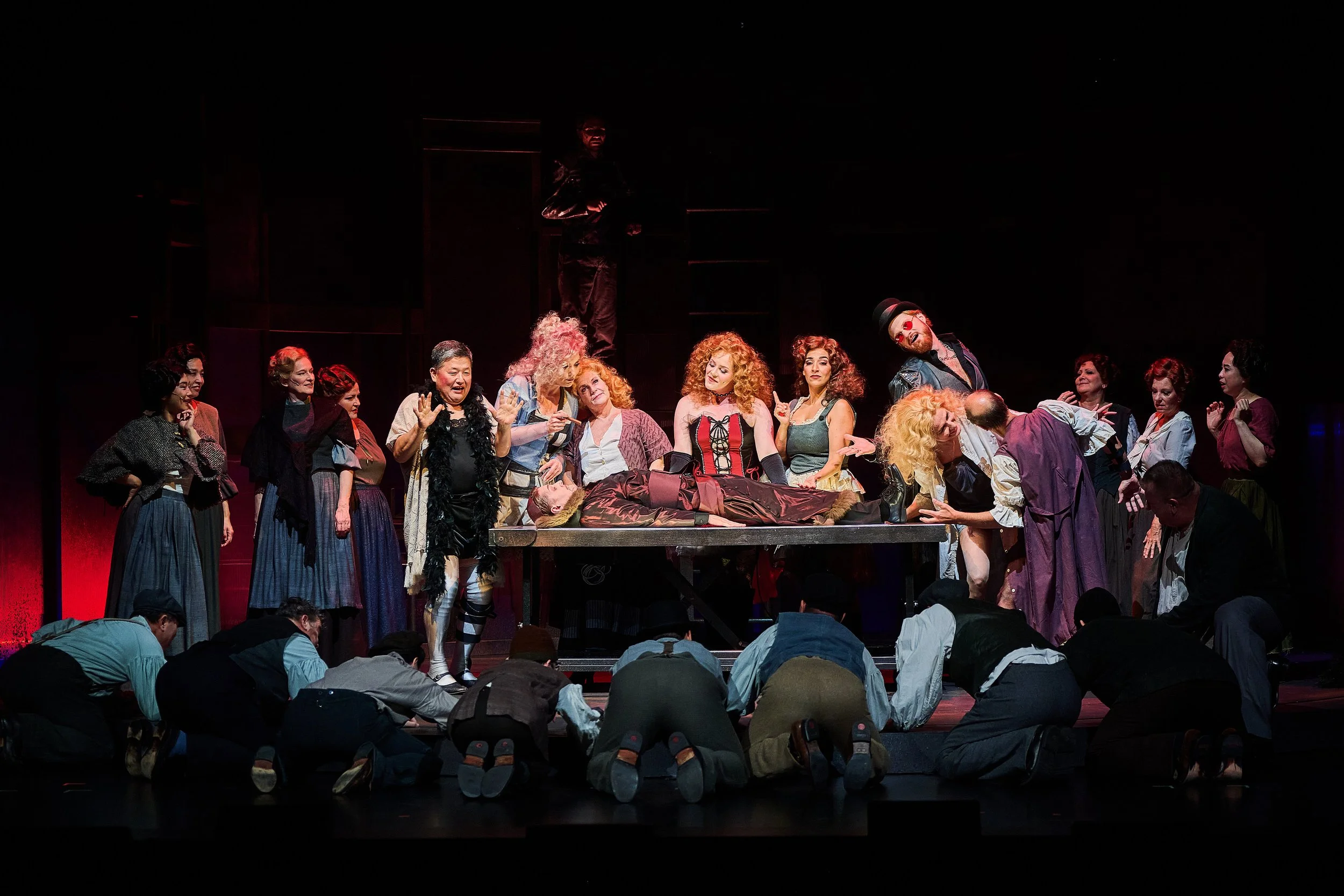
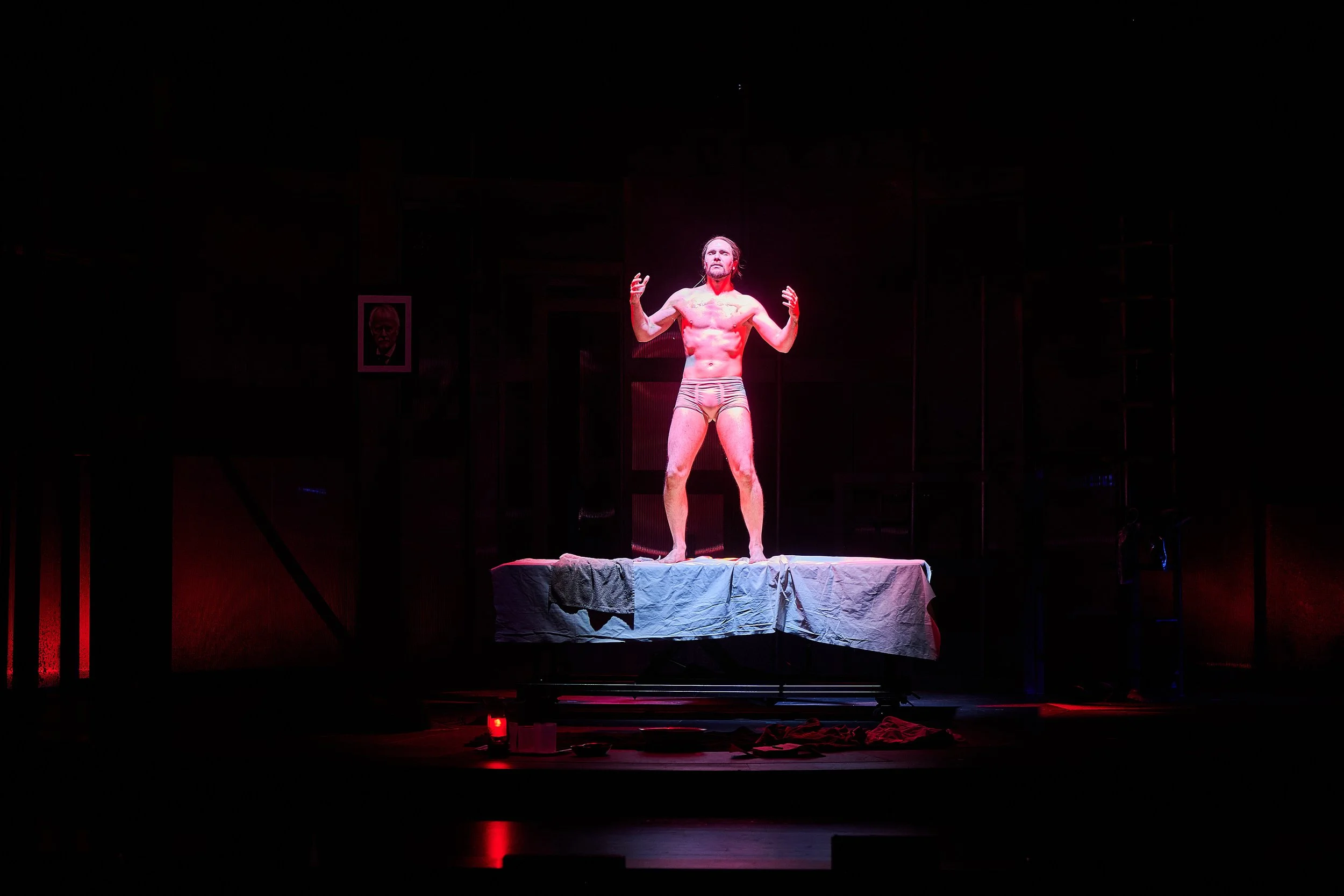
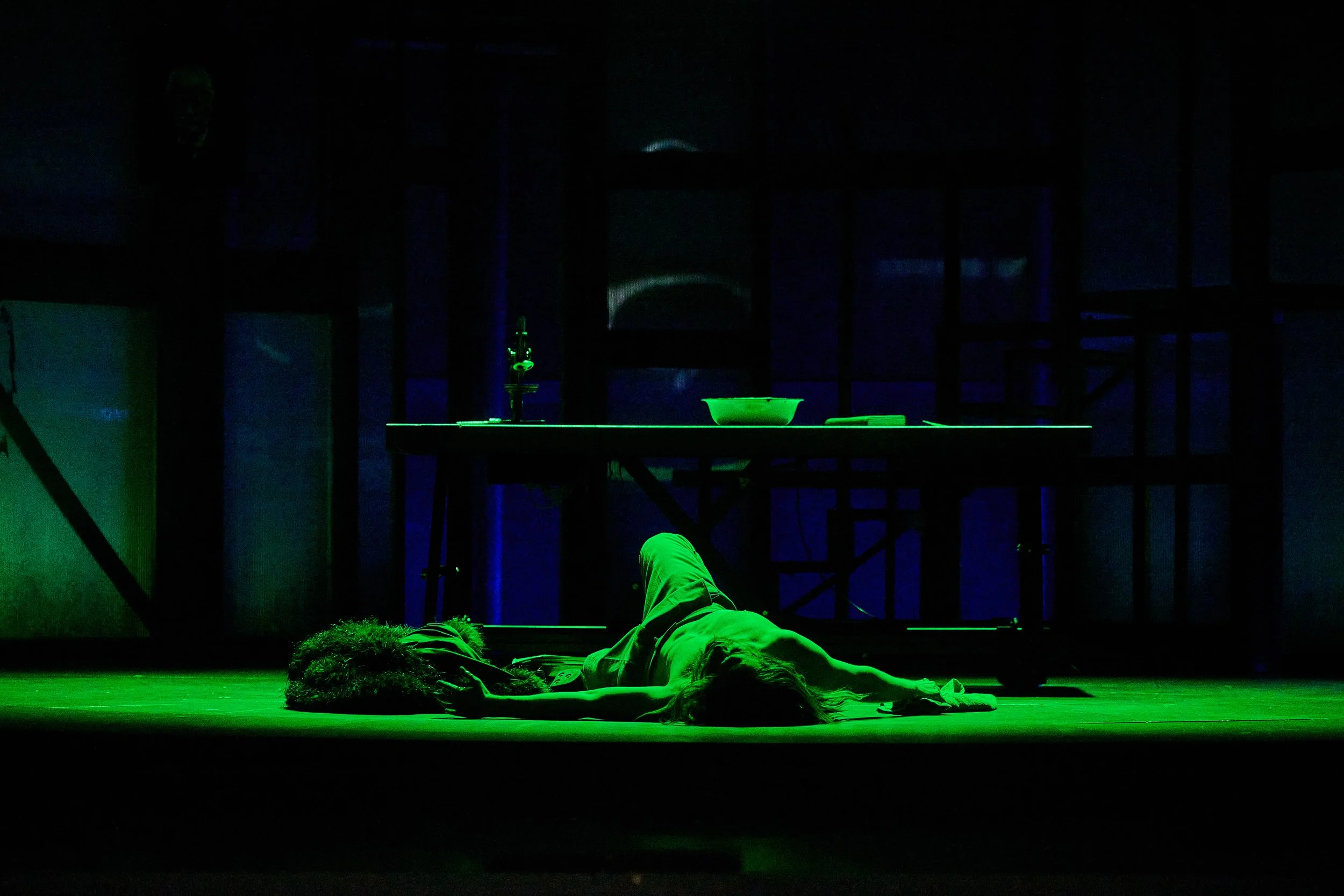
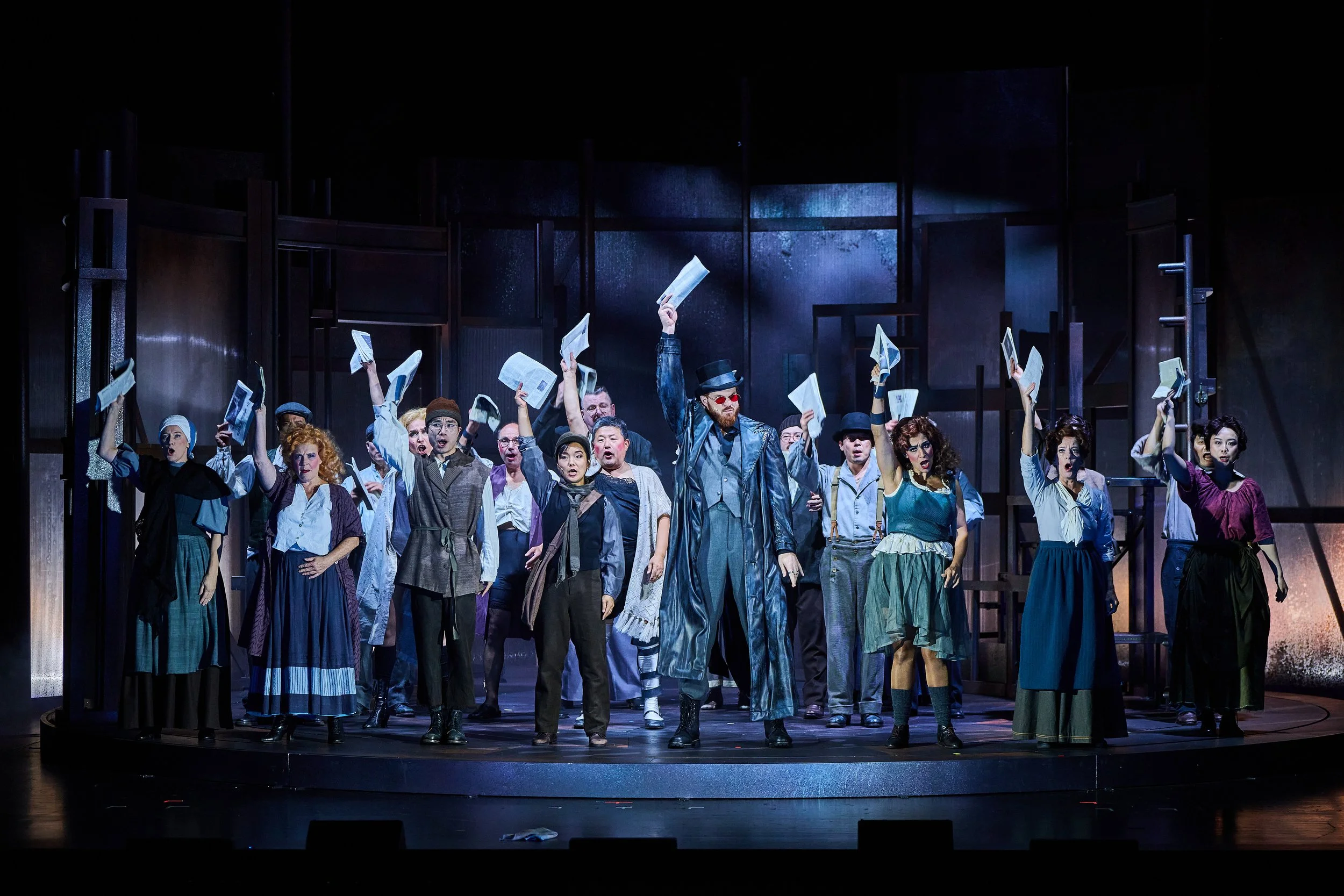
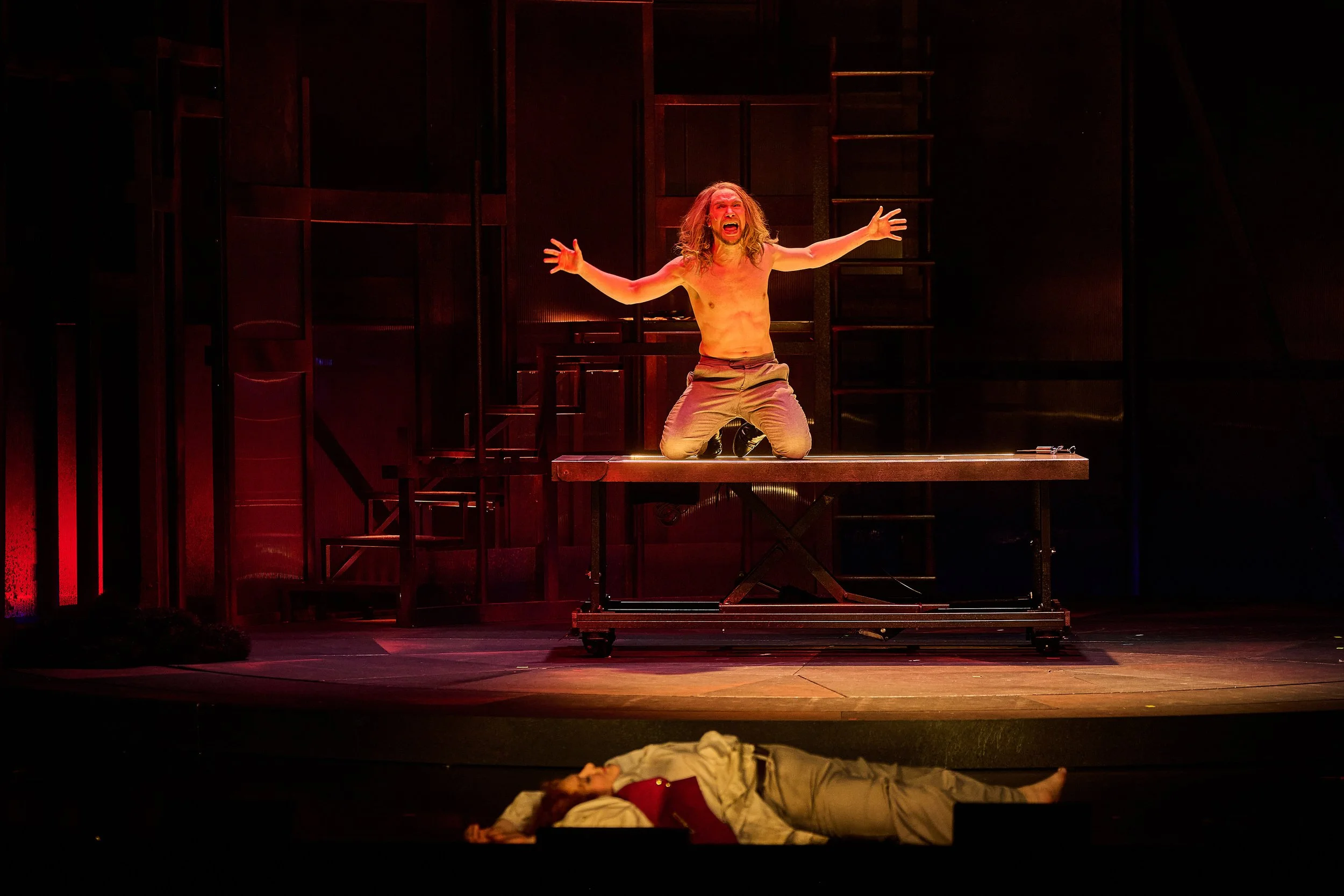
The novella of Jekyll and Hyde describes how anyone who meets Hyde instantly loathes him, without knowing why; I propose that people instantly hate Hyde because he makes them see the evil in themselves. Hyde’s charisma brings out a part of us that lets us know what we are capable of. When Jekyll changes to Hyde, the audience will literally see the world differently, from Hyde’s altered perspective: Heat-seeking, infrared. In our staging, until Lucy, Hyde never physically commits a murder, but influences (allows?) the crowd around him to do it for him.
At the heart of the show is the conflict that drives Jekyll's obsession with duality: his terror of his sexuality… Sexuality that, when confined too tightly, curdles into violence. Jekyll is so uptight and inhibited that we understand why he needs to be Hyde…even want him to be Hyde. Jekyll is ignored, by women, his peers, polite society, the panel…Hyde gets constant, if negative, attention. Hyde can do to Lucy what Jekyll would never do to Lisa. Jekyll curdles Hyde’s sexuality into violence by compressing it too tightly. He is not equipped with the healthy connection to his body and his sexuality that allows his peers to form healthy, loving relationships, like we’ll see demonstrated by Utterson and his wife. Jekyll is sensitive enough to know that is wrong with him, but not sensitive enough to fix it, or even pretend to. And knowing this fills him with RAGE. Hyde has to kill the bishop for enjoying himself with Nelly because Jekyll hated everyone who could enjoy their sexuality and lie about it when he couldn't.
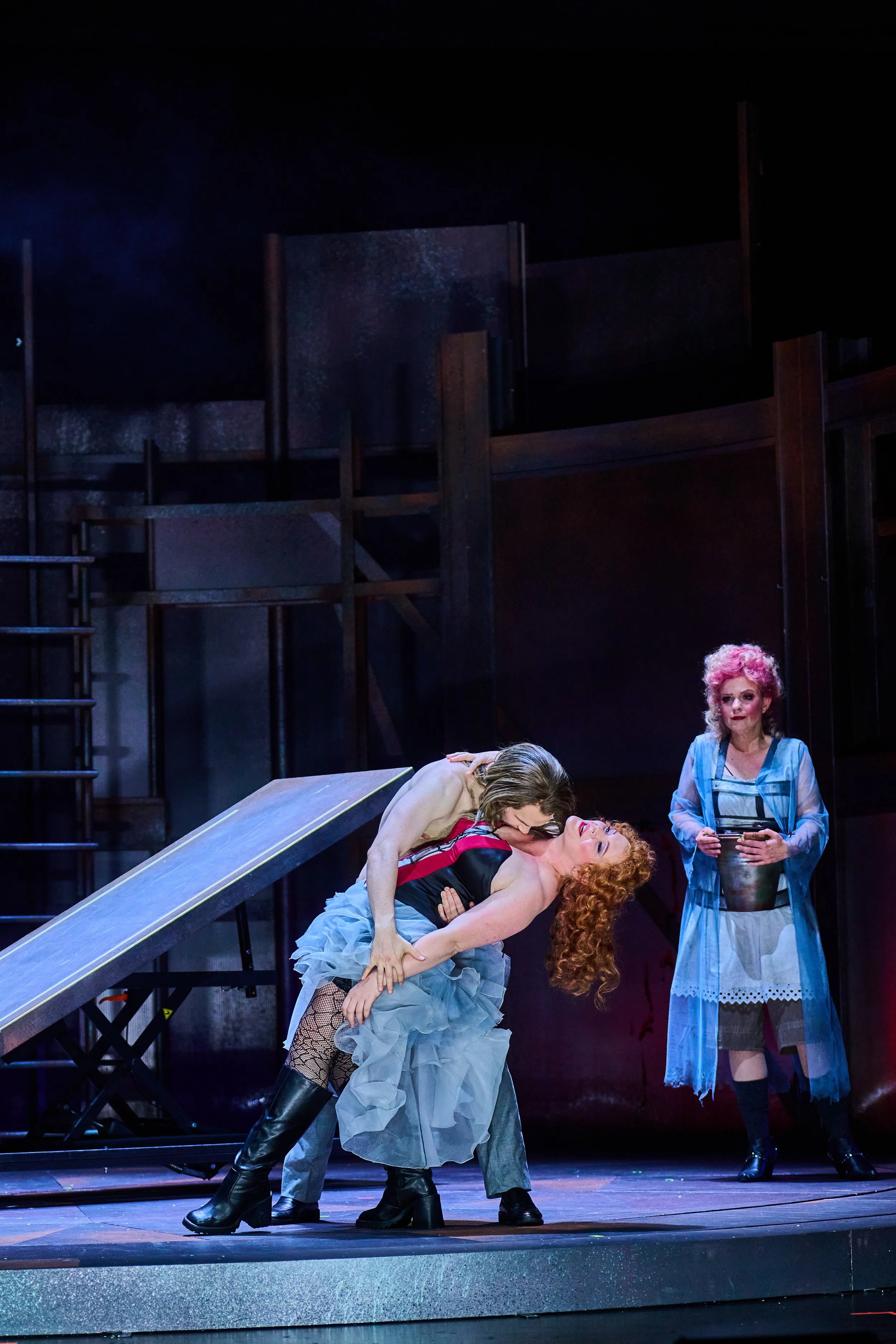
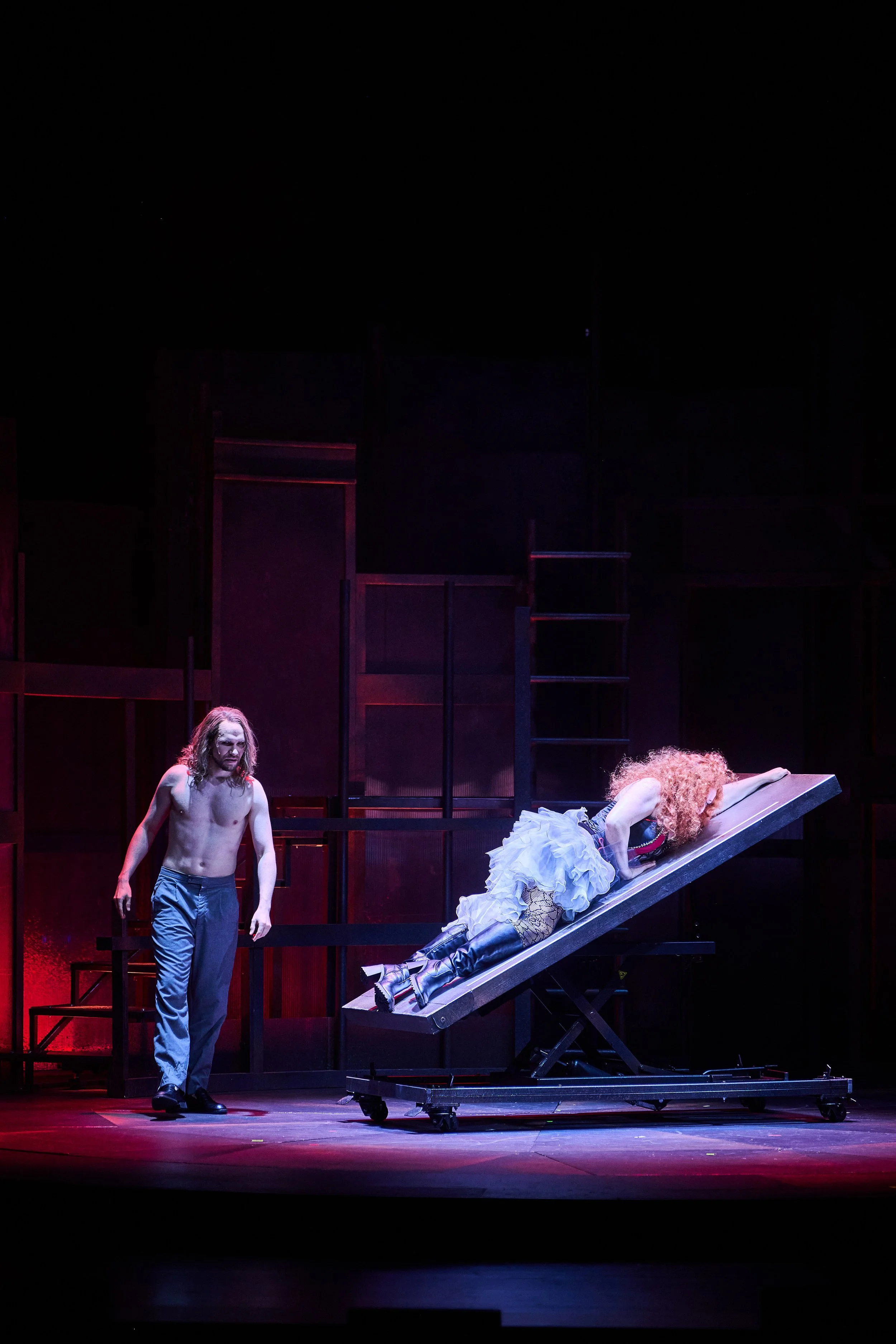
Jekyll and Lisa are companions but not equals in rebellion: she supports his work but won’t dare to engage in it herself. Jekyll is able to hide his romantic dysfunction behind the passion of Lisa’s intellectual belief in him, but she hasn’t suppressed her libido as deeply as he has. She’s hugely physically frustrated, but also so fixated on him as her scientific hero, that she won't address the fact that he won’t touch her. As their wedding approaches, she channels her need for sexual connection less and less successfully into this belief, which pressurises Jekyll to explode into Hyde…the very first thing Hyde does is go to the Red Rat to have sex with Lucy.
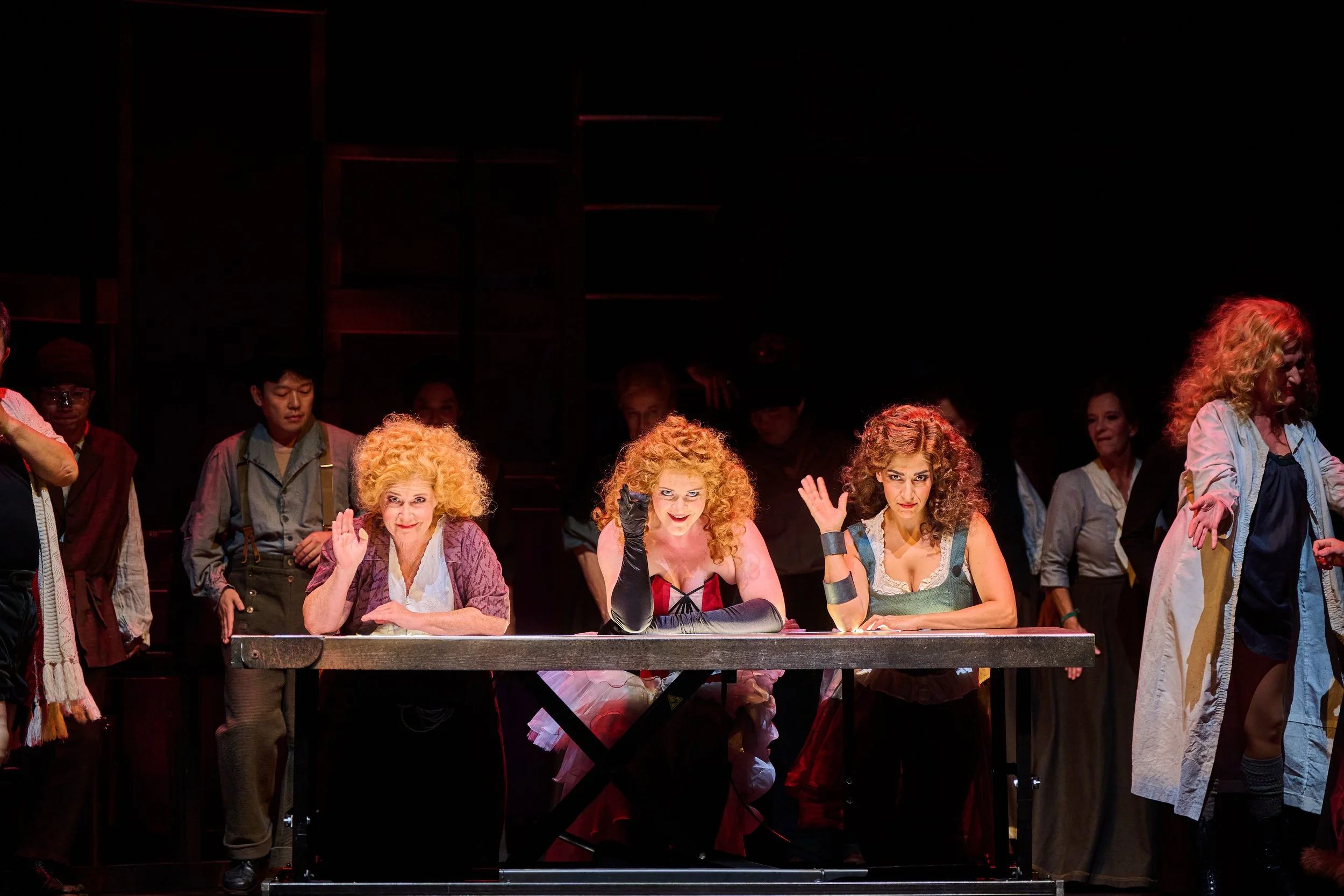
Upper class, educated, well-loved Lisa is an ingenue trying to convince the world she isn’t one, while disenfranchised, destitute Lucy can’t be the ingenue she might have been, because she never got the chance to be innocent. Outside the Red Rat, Lucy dresses androgynously because it keeps her safe; her outfits are combinations of items that she has taken or been given by clients. She barely knows Jekyll, but falls in love with what he symbolises. To Lucy, Jekyll is an ideal, something she will never have, while Hyde is all she believes she deserves. Hyde takes out on Lucy, what Jekyll resents Lisa for wanting from him.
The word Facade recurs many times throughout the piece, exposing the facade that the society around Jekyll holds up to hide their Hydes…but this label of Facade applies also to Jekyll himself, disguising the reality of Hyde. We as an audience understand why Jekyll needs to be Hyde…even want him to be…because we are also addicted to being Hyde, when the world burns brighter and Hyde’s wishes are fulfilled for Jekyll to collect the consequences. We need to see Jekyll destroyed by his Hyde so we don’t have to be destroyed by ours.